
Digital Assets and Estates: Who Gets Your Online Life?
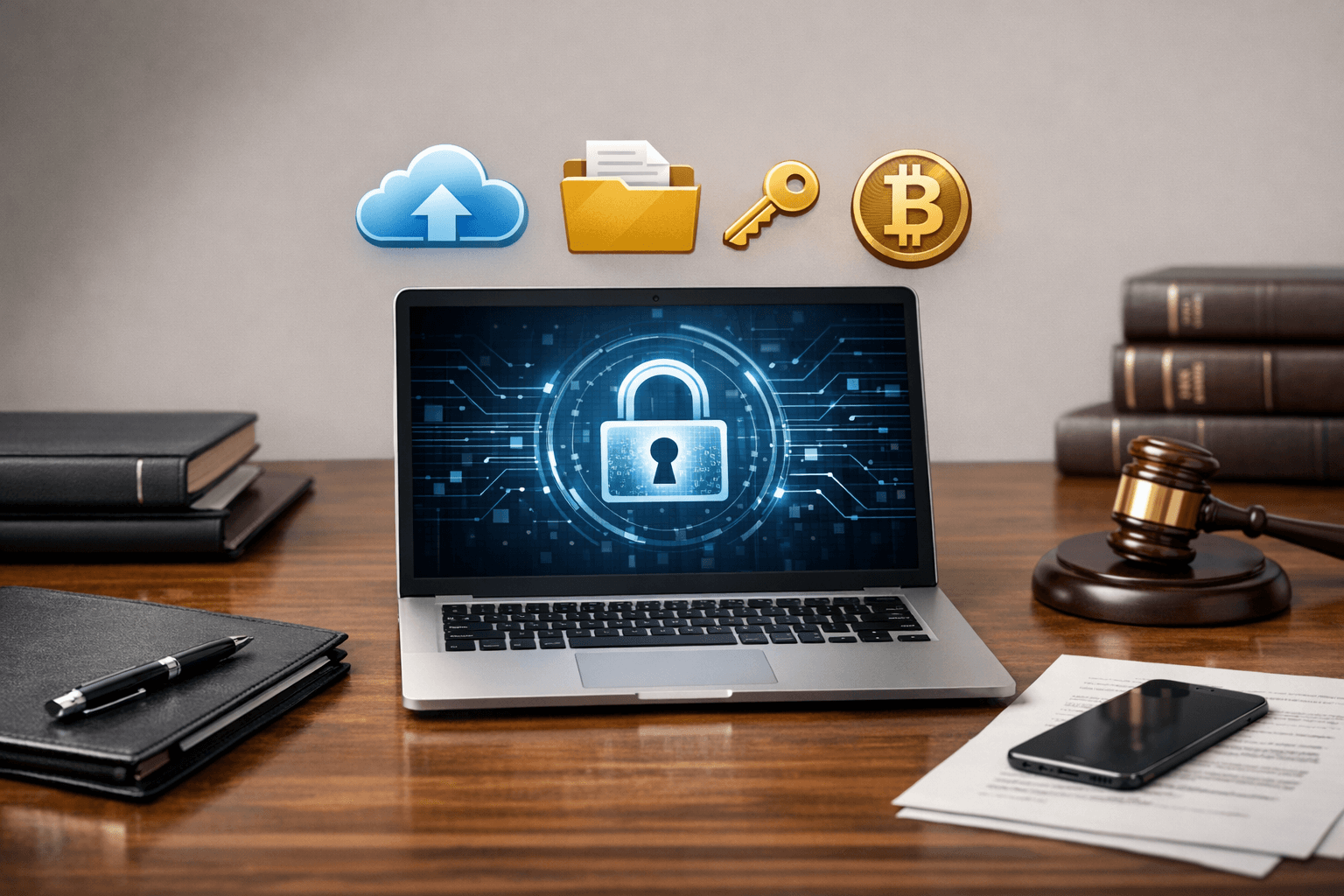
20 years ago, this question would likely have been limited to something as simple as your email accounts. Digital assets now include far more than just email. They encompass online banking accounts, loyalty and rewards programs, cloud storage, and social media profiles, as well as electronic payment platforms like PayPal and cryptocurrencies such as Bitcoin.

What Are Your Digital Assets?
20 years ago, this question would likely have been limited to something as simple as your email accounts. Digital assets now include far more than just email. They encompass online banking accounts, loyalty and rewards programs, cloud storage, and social media profiles, as well as electronic payment platforms like PayPal and cryptocurrencies such as Bitcoin. In many cases, these assets hold not only financial value but also personal, professional, and even sentimental importance.
Despite their significance, digital assets are often overlooked in financial and estate planning. Without proper organization or clear instructions, accessing or managing these accounts can become difficult for those who need to step in. Taking the time to identify and account for your digital assets is an important step toward protecting your information, preserving value, and ensuring your affairs are handled according to your wishes.
What Are the Risks of Not Having a Will or Planning for Digital Assets?
Dying without a will can create significant challenges for your loved ones, often leaving them to navigate complex legal processes at an already difficult time. Without clear instructions, your estate may be distributed according to default laws, which may not reflect your intentions and can lead to delays, added costs, and even disputes among family members.
Even where a will exists, problems can arise if it has not been properly drafted to address digital assets. A traditional will that overlooks online accounts, electronic payments, and digital currencies may leave executors without the authority or information needed to access and manage them. As a result, valuable or meaningful assets can be lost, inaccessible, or mishandled, adding another layer of complexity and frustration to the estate administration process.
Another issue arises when the terms of service agreed to at the time a digital asset is created restrict an executor’s access. Without clear authorization, these accounts can become effectively inaccessible, complicating the administration of the estate. For example, in 2019, a widow in British Columbia was forced to obtain a court order just to access her late husband’s Apple ID. Securing a court order can cost hundreds or even thousands of dollars, particularly if legal assistance is required, and it inevitably adds delay and stress to an already difficult situation. A properly drafted will that clearly addresses digital assets and grants the necessary authority to an executor could have avoided this outcome entirely.
What Should I do?
It is essential to identify all of your assets within your estate, including your digital ones. As this is a relatively new and evolving area, there is limited legislation and case law providing clear guidance, which can make disputes more complex and costly to resolve. Litigation in this space can be time-consuming and expensive, often adding unnecessary strain for your loved ones. The most effective approach is proactive planning, ensuring your will is carefully drafted or updated to address all of your assets, including digital accounts.
This blog post provides general information and is not intended as legal advice. Laws change frequently, please contact DuMoulin Boskovich LLP for advice specific to your situation.
Related Service